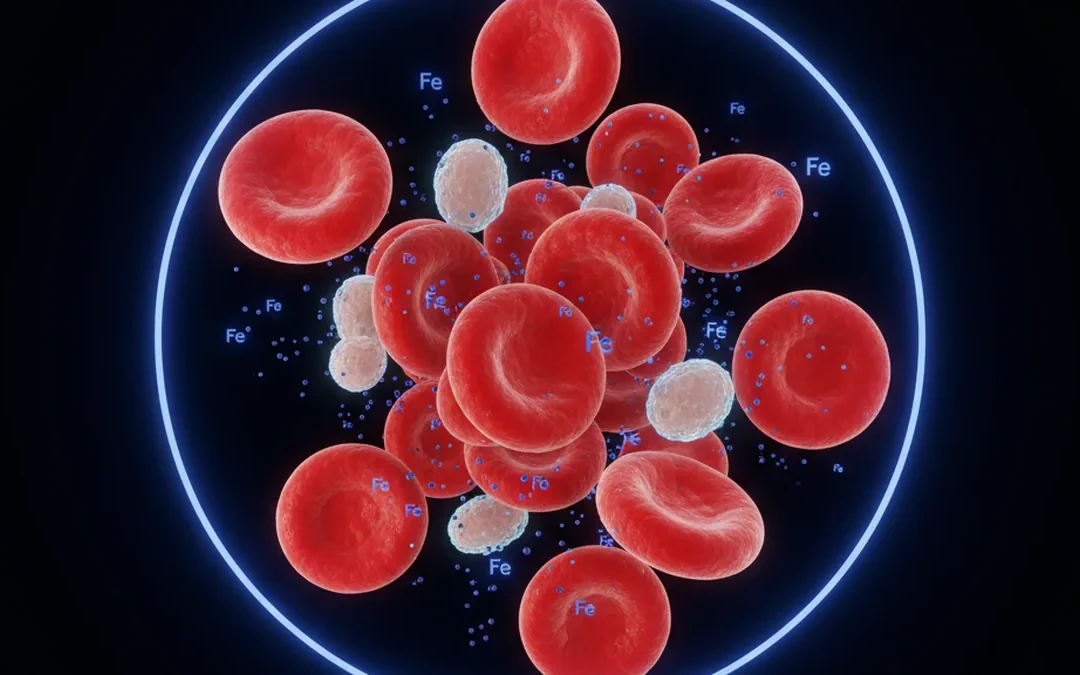
Hidden deficiencies: B12, vitamin D, iron, magnesium, calcium
Disease rarely begins abruptly. Iron deficiency, subclinical hypothyroidism, smoldering inflammatory markers — all of them quietly damage the body for months before the first symptom appears. Here's a look at which lab tests reveal a hidden shortfall of vitamins and minerals and what their results actually mean. You'll find every tool on the topic in the early diagnosis section.
What hidden deficiencies are
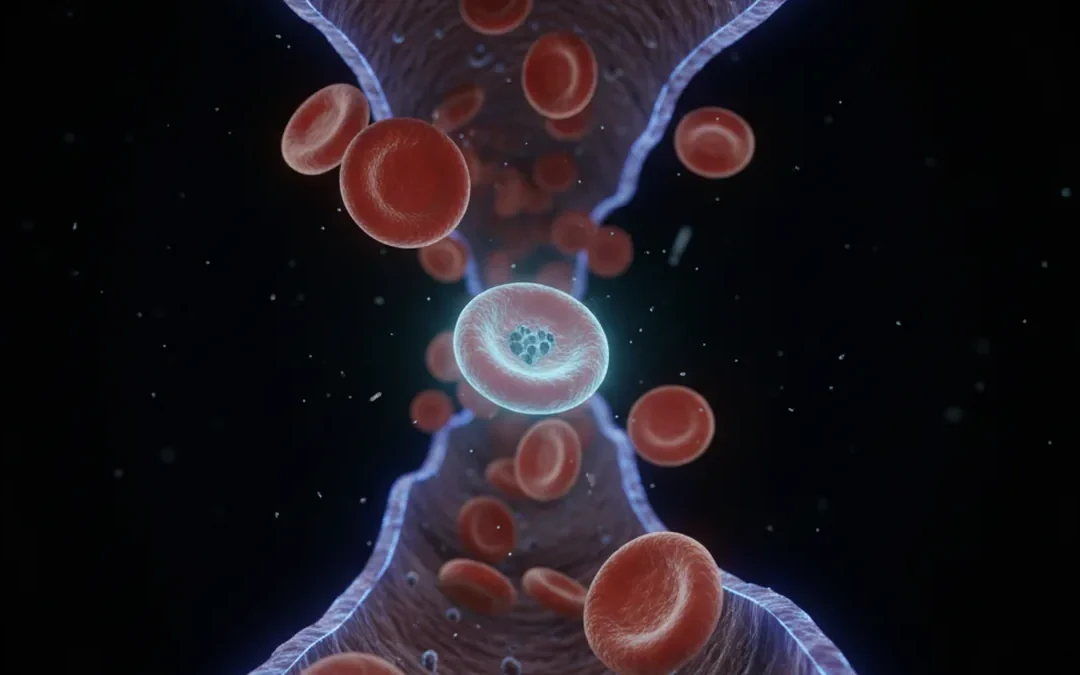
Iron deficiency doesn't cause anemia right away — first your focus slips, fatigue creeps in, and your hair starts to thin. An imbalanced gut microbiome undermines immunity and mood long before you'd think to complain. Hidden deficiencies are pathological changes that are already doing harm but haven't yet surfaced as symptoms. Catching these signals early is the only way to act in time.

Why early diagnosis matters
Catching a deficiency early buys you time to correct it before disease sets in. And it changes your quality of life right now — not just somewhere down the road.
Four categories of hidden problems
How the workup is done
This isn't your standard checkup. It calls for specialized lab work and functional tests that a basic annual physical usually doesn't include.
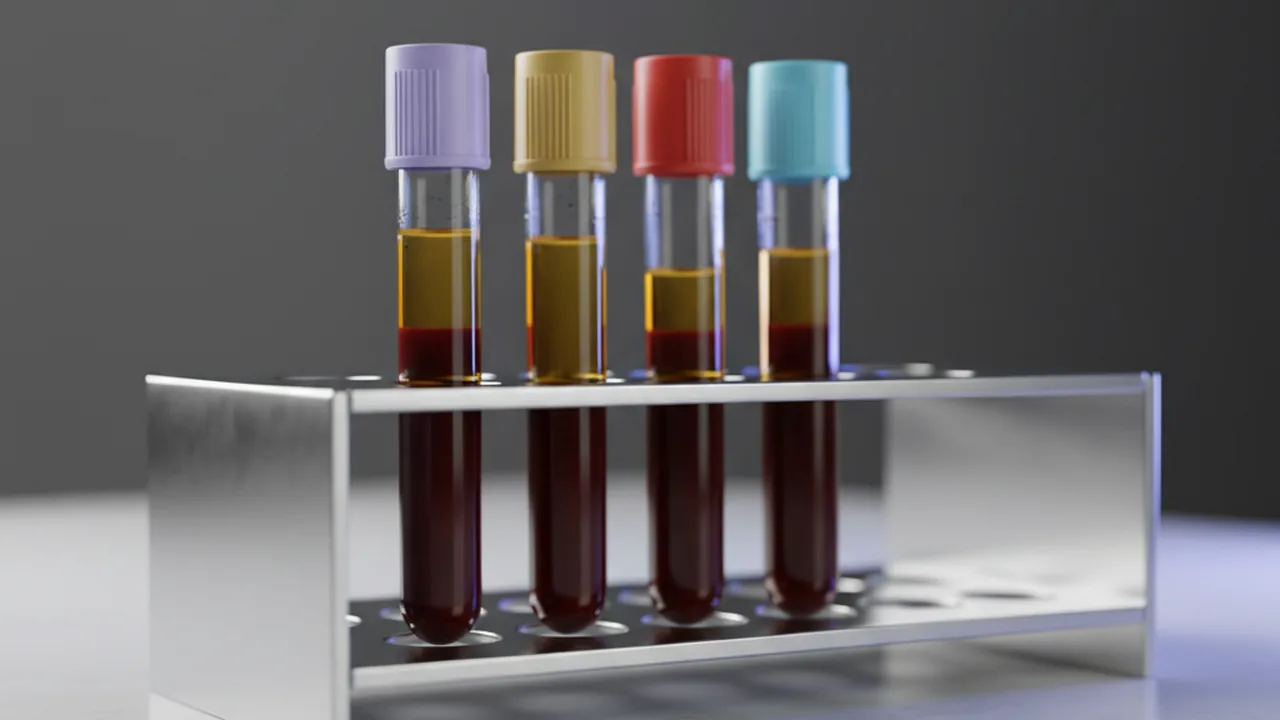
An extended panel: vitamins (D, B12, C), minerals (ferritin, magnesium, zinc, calcium), hormones (TSH, insulin), inflammatory markers (hs-CRP, homocysteine), and a microbiome analysis.
Thyroid function testing (for subclinical hypothyroidism), breath tests for food intolerances (lactose, fructose), and an oral glucose tolerance test.
Ultrasound of the abdomen and thyroid, MRI for neurological complaints, and bone densitometry. These catch structural changes before clinical symptoms appear.
An endocrinologist for hormones and the thyroid; a gastroenterologist for the gut and absorption; a neurologist for symptoms of B12 or magnesium deficiency; a nutritionist for a correction plan.
Who benefits most from early diagnosis
Preventive lab work is useful for everyone, but for some groups regular extended screening is especially important.
The deficiency map
Tap any element to see which test to order, the optimal reference range, and what to watch for.
Example: how a B12 deficiency unfolds

B12 is the perfect example of why early diagnosis matters. Clinical symptoms show up only at stage 5, once the liver's stores are nearly gone. But active B12 flags the problem as early as stage 2 — years before any symptom.
| Test | Stage 1 | Stage 2 | Stage 3 | Stage 4 | Stage 5 |
|---|---|---|---|---|---|
| Active B12 (holotranscobalamin) | normal | reduced | reduced | low | low |
| Total B12 | normal | normal | reduced | low | low |
| Homocysteine | normal | normal | elevated | high | high |
| Hemoglobin / CBC | normal | normal | normal | altered | anemia |
What to do next
Hidden deficiencies aren't a life sentence. Most are correctable with diet, supplements, or a simple intervention. The key is knowing they're there.