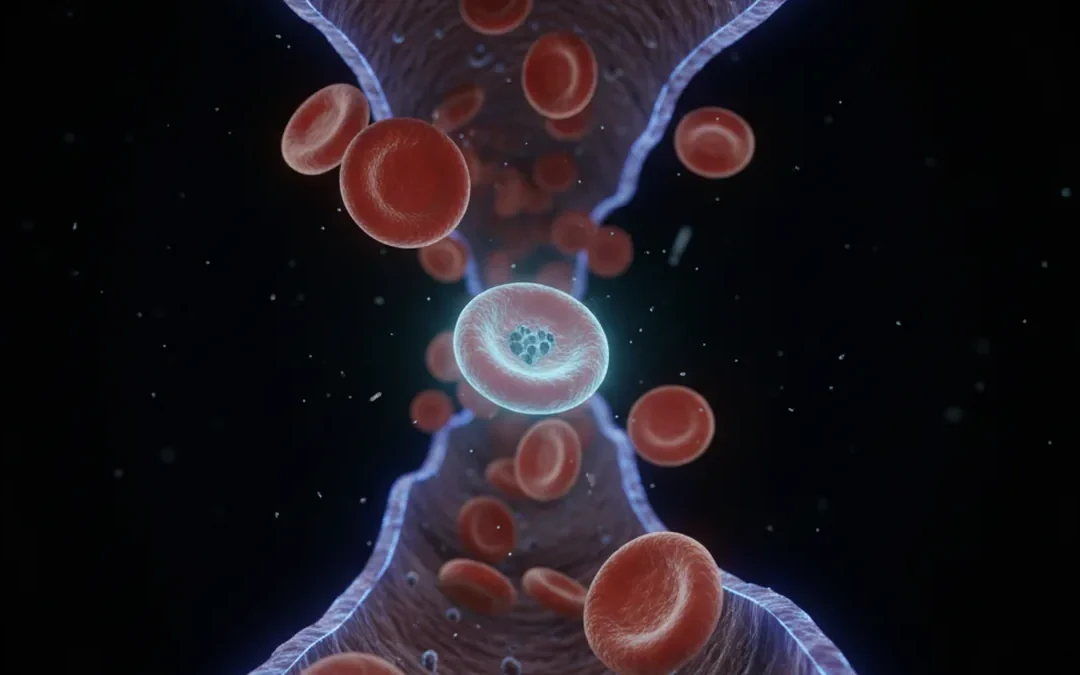
Homocysteine — the marker 90% miss
This test is rarely ordered, yet a rise in homocysteine is directly tied to heart attack, stroke, and Alzheimer's disease. Here's the science behind the marker — and what to do about it.
What homocysteine is
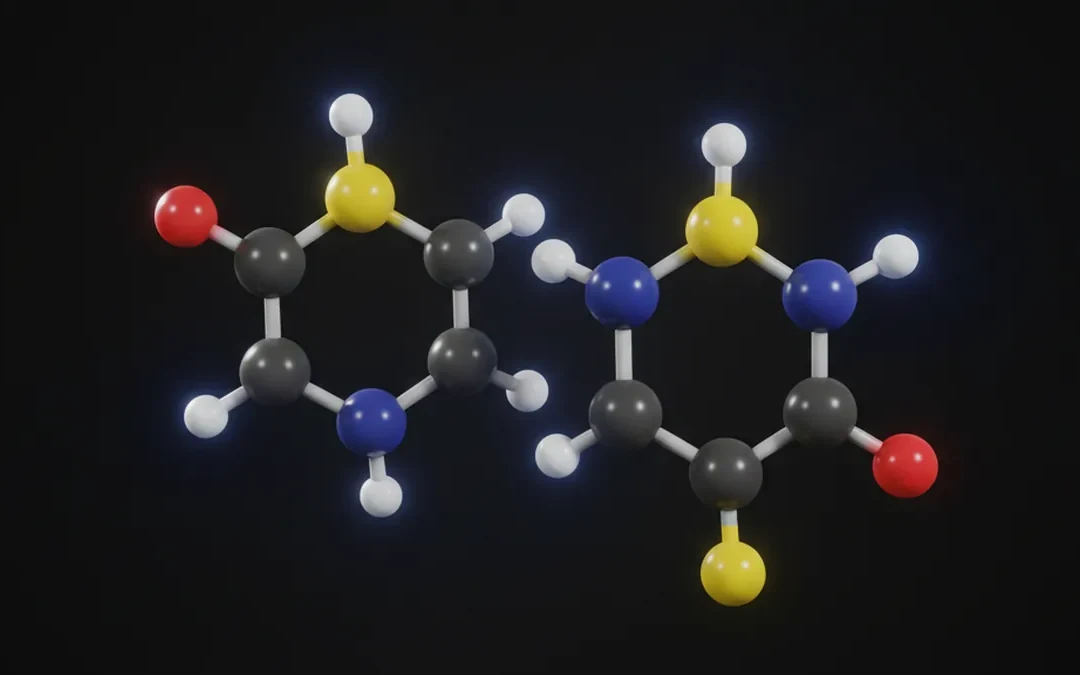
Among the dozens of biomarkers, homocysteine holds a special place: it doesn't come from food — the body makes it entirely on its own — and a rise is always a signal that metabolism has gone off track. Together with your other blood markers, it feeds into the bigger picture of aging captured by the blood-based biological age calculator. It's a sulfur-containing amino acid, an intermediate in the metabolism of the essential amino acid methionine. Normally it's converted quickly into harmless compounds; when that process stalls, homocysteine builds up and starts to damage blood vessels and neurons. To see how that plays out for your heart, check your 10-year cardiovascular risk (QRISK).

Why it goes unchecked
Homocysteine isn't part of a standard metabolic panel — you have to order it separately. The marker stays in a blind spot for three reasons.
Mild hyperhomocysteinemia runs symptom-free for years. By the time complaints appear, the target organs are already damaged.
In most countries the marker isn't included in routine screening. A doctor will order it only if they happen to remember it — or if the patient asks.
Homocysteine can usually be lowered with inexpensive B vitamins — no costly drugs involved — so there's little commercial push to raise the test's profile.
Normal ranges and levels
The lab "normal" of up to 15 µmol/L is not the same as an optimal level. Risk starts climbing above 10.
A lab "normal" of <15 µmol/L ≠ a safe level: risk starts rising above 10.
Heart and brain under fire
Half a century of research has built a compelling case. Elevated homocysteine is an independent risk factor: the association holds even after adjusting for cholesterol, blood pressure, age, and smoking.
The Wald meta-analysis (BMJ, 2002) used Mendelian randomization — a method that tests for causation, not mere association. Each additional +5 µmol/L raises coronary heart disease risk by 32–42%, and the risk of stroke by 59%. In the Framingham Study (1,092 people, 8 years), a level above 14 µmol/L nearly doubled the risk of dementia.
"An increased plasma homocysteine level is a strong, independent risk factor for the development of dementia and Alzheimer's disease."
How homocysteine damages vessels and neurons
Three B vitamins play the key roles in homocysteine metabolism. When they run short, the cycle stalls — and homocysteine piles up.
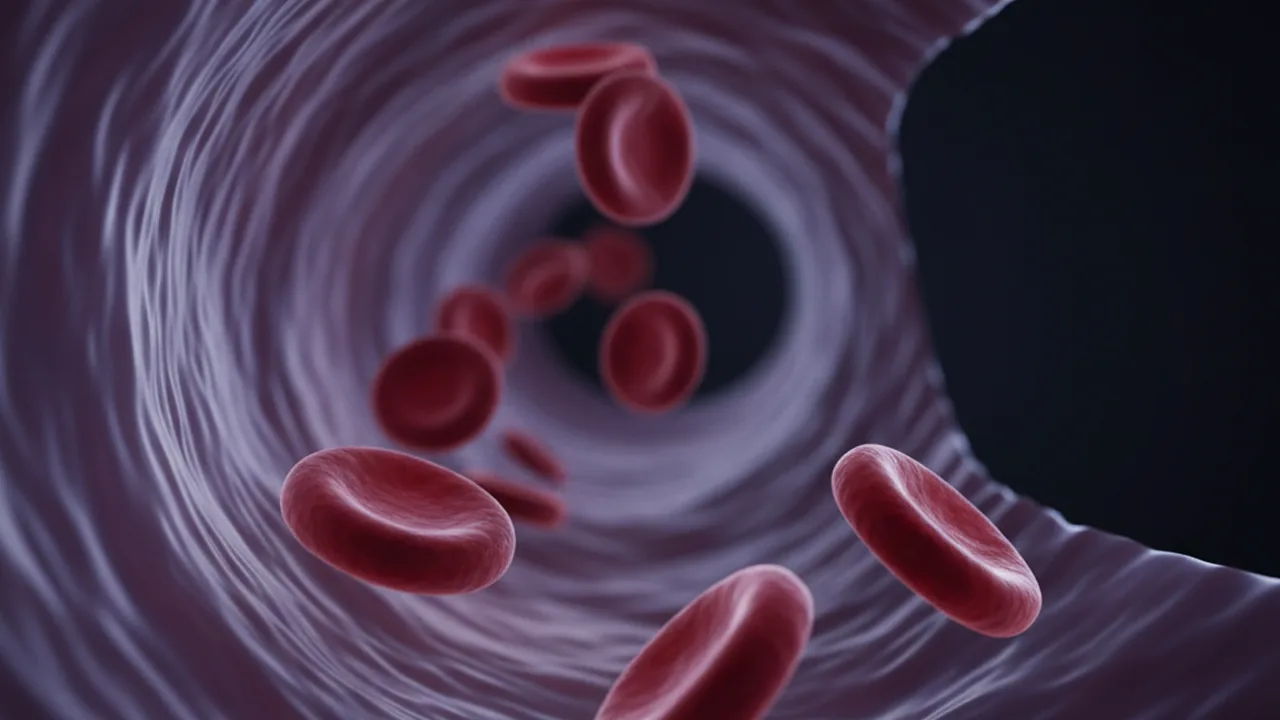
As its concentration climbs, homocysteine acts through several toxic mechanisms at once.
Generates free radicals that injure the inner lining of blood vessels. A damaged endothelium loses its protective properties — inflammation and atherosclerosis take hold.
Activates platelets and clotting factors. Blood becomes prone to clots — hence the risk of thrombosis, heart attack, and stroke.
Overstimulates glutamate NMDA receptors, driving neuron death, while impairing the synthesis of neurotransmitters that depend on folate and vitamin B12.
Why levels rise
Most cases aren't genetics — they're correctable deficiencies and lifestyle. Six leading causes.
The most common cause. At-risk groups: veganism, metformin use, atrophic gastritis, and age over 60.
Too few leafy greens, impaired intestinal absorption, and heavy alcohol use.
The MTHFR C677T polymorphism cuts enzyme activity by 30–65%; the homozygous form is found in about 10% of people.
Homocysteine is cleared by the kidneys. As GFR falls, it accumulates in the blood.
Metformin (reduces B12 absorption), methotrexate (a folate antagonist), and proton-pump inhibitors.
Smoking, heavy alcohol use, excess coffee (more than 6 cups a day), and inactivity.
How to lower homocysteine
When the cause is a nutrient deficiency, levels respond well to correction. Three B vitamins work synergistically and together lower homocysteine by 25–33%.
Who should test, and when
It's a simple fasting blood test (8–12 hours without food). It's worth adding to your annual check-up, especially if any one of the following applies.
- Age over 40 — with no prior measurement on record
- A vegetarian or vegan diet (risk of B12 deficiency)
- Long-term use of metformin, methotrexate, or proton-pump inhibitors
- A family history of early heart attacks, strokes, or blood clots
- Declining memory or focus, or "brain fog"
- Chronic kidney disease (GFR below 60 mL/min)
- An already-diagnosed vitamin B12 or folate deficiency