Self-assessment · 13 questions

Hidden iron deficiency

Fatigue, paleness, hair loss, cold hands — these are common signs of iron deficiency. Answer 13 questions about symptoms and risk factors — the test will gauge how pronounced the signs are and suggest what to do next. It is a screening tool, not a diagnosis: deficiency is confirmed by a blood test interpretation.
13questions ~3 minto complete 0–100%risk scale localdata is not transmitted
Iron deficiency: red blood cells, ferritin, hemoglobin
~2billion
people worldwide live with iron deficiency — the most common micronutrient deficiency
<30ng/mL
the ferritin level below which iron deficiency is likely
13
questions about symptoms and risk factors at the core of the screening
~3min
to complete the test — the calculation runs in your browser
How the test works

From symptoms to a risk level

The test draws on the typical clinical signs of iron deficiency and well-established risk factors. Each answer is converted into points; the total is compared with the maximum to give a percentage that reflects how pronounced the symptoms are — this determines the risk level and the set of personalized recommendations. How the deficiency develops and which tests matter — in the full guide to iron deficiency.

  1. 01
    12
    Symptoms
    12 questions about how you feel (fatigue, paleness, shortness of breath…). Each answer scores from 0 to 3 points.
  2. 02
    +
    Risk factors
    You mark risk factors (menstruation, diet, blood donation…) — each adds 1.5 points.
  3. 03
    Σ
    Total score
    The points are added up (maximum 48) and converted into a percentage of the maximum.
  4. 04
    %
    Risk level
    0–33% — low, 34–66% — moderate, 67–100% — high. Plus personalized recommendations.

Take the test

Choose the answer that best describes how you have felt over the past 4–6 weeks. There are no right or wrong answers — the more honest you are, the more accurate the result.

0 / 13 questions
1
Do you often feel tired even after getting enough rest?
2
Do you experience unusual weakness or a lack of energy?
3
Have you noticed that your skin has become paler than usual — especially your face, nails, or the inner surface of your lower eyelids?
4
Do you experience shortness of breath during everyday activities that used to cause no breathing problems?
5
Do you often have headaches?
6
Do you feel dizzy or lightheaded, especially when you stand up?
7
Do you feel cold more often than those around you, or have cold hands and feet even in a warm environment?
8
Do you experience palpitations — a feeling that your heart is racing, pounding, or skipping beats?
9
Do you have an unusual craving for non-food items — ice, dirt, clay, or paper? (pica)
10
Have you noticed increased hair loss, or have your nails become brittle and prone to breaking?
11
Do you experience uncomfortable sensations in your legs with an urge to move them, especially at night? (restless legs syndrome)
12
Do you have trouble concentrating, or experience "brain fog"?
13
Do you have any of these risk factors? You can select several options — each adds 1.5 points

The test is processed locally — your data is not transmitted.

Iron deficiency test result
0%
of 100%

Personalized recommendations
restaurant Iron-rich foods expand_more

Add more foods high in iron to your diet:
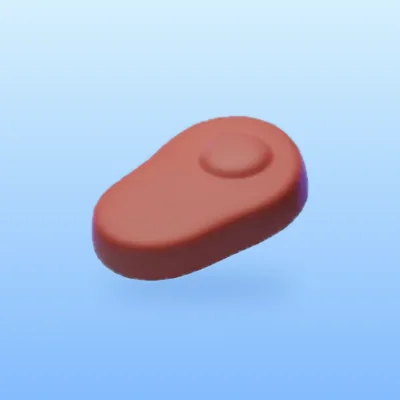
Red meat Red meat
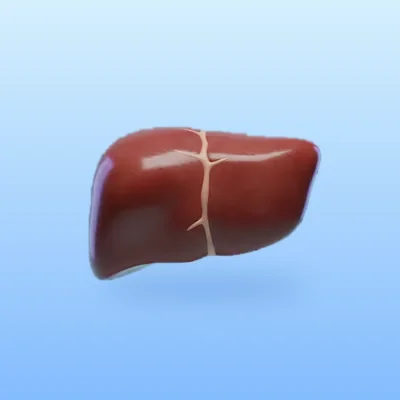
Liver Liver
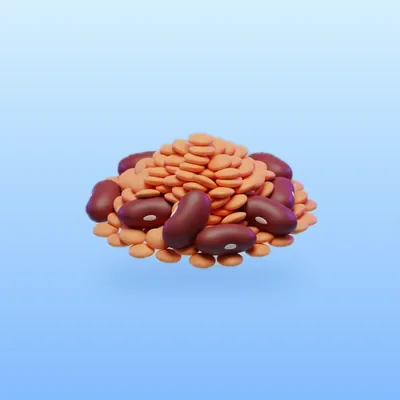
Beans and lentils Beans, lentils
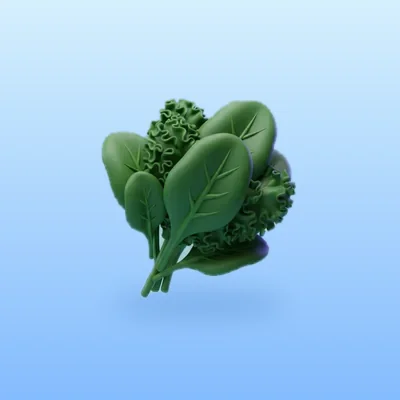
Spinach, kale Spinach, kale
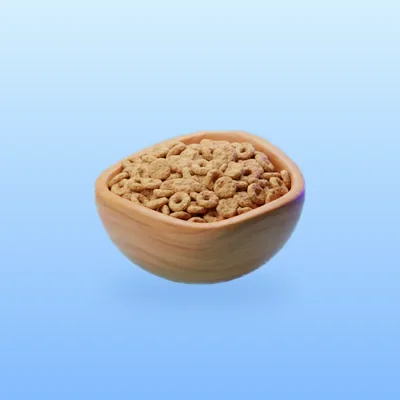
Fortified cereals Fortified cereals
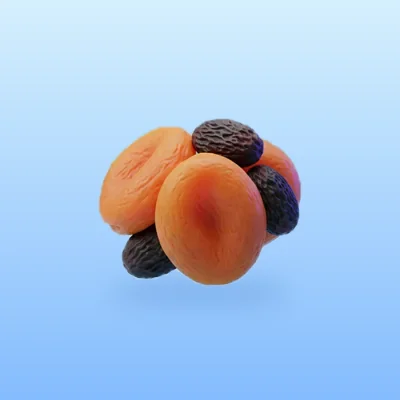
Dried fruit Dried fruit

Tofu, soybeans Tofu, soybeans
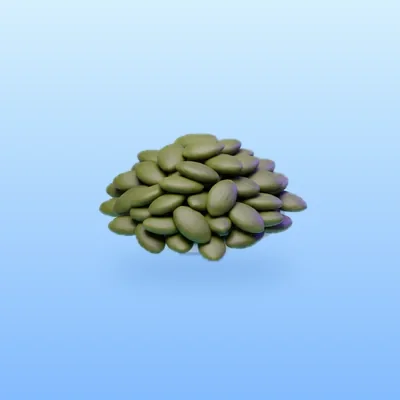
Pumpkin seeds Pumpkin seeds
swap_vert Improve iron absorption expand_more

Iron absorption can be improved substantially with the right food combinations:

trending_up Boost absorption combine with iron sources
Vitamin C — citrus, peppers Strawberries, tomatoes Meat juices (heme iron) Fermented foods
trending_down Reduce absorption space them apart from your iron dose
Coffee and black tea Milk and calcium Phytates — bran, grains Antacids
stethoscope See a doctor and get tested expand_more

Discuss your symptoms with a doctor and get a blood test. Key markers for assessing iron deficiency:

Ferritin
> 30
ng/mL
Hemoglobin
> 120
g/L (women)
Transferrin
> 16%
saturation
Red blood cells
3.8–5.1
×10¹²/L
Serum iron
11–30
µmol/L
TIBC
45–80
µmol/L
medication Iron supplements expand_more
warning
Important: take iron supplements only under medical supervision. Excess iron is toxic. A doctor will choose the type (sulfate, gluconate, chelate) and the dose based on your lab results.

For better absorption, take iron supplements:

  • On an empty stomach, or 30 minutes before a meal
  • Together with vitamin C (ascorbic acid, 200–500 mg)
  • Not at the same time as calcium, antacids, tea, or coffee
  • As a 3–6 month course, checking ferritin after 4–8 weeks
info
This test is informational and is not a medical diagnosis. An accurate diagnosis of iron deficiency is made by a doctor based on a blood test (ferritin, hemoglobin, transferrin).

Related materials

The rest is subscription-only

This section is available on a higher plan. Get access to unlock all materials.