At the end of every chromosome sits a molecular clock counting your age.
Telomeres shorten with each cell division, and their length is one of the leading markers of biological age.
Here's how the clock works, why it winds down, and what science actually knows about protecting it.
telomere length at birth (thousands of DNA base pairs)
50–250bp
lost with every cell division
40–60
divisions — the Hayflick limit, beyond which senescence sets in
~90%
of cancer cells switch telomerase back on to become "immortal"
What telomeres are
Picture a shoelace: the plastic tips on the ends keep the threads from unraveling. Telomeres are
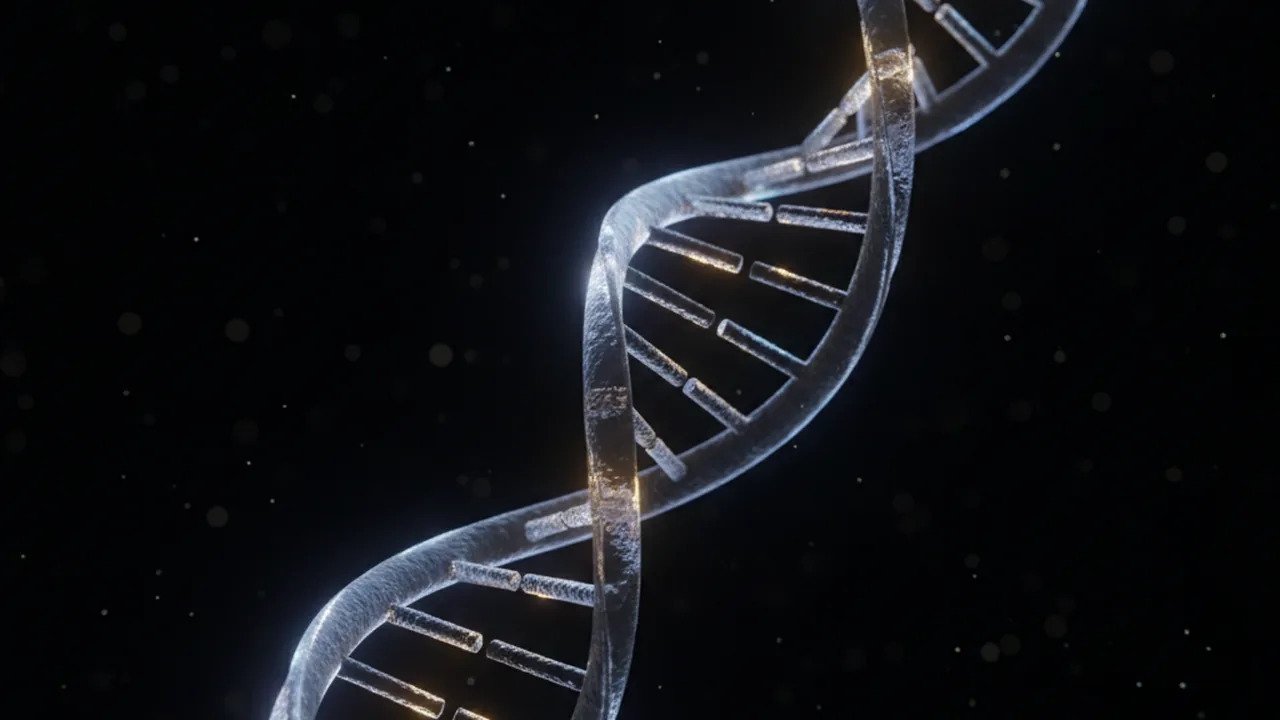
those "caps" on the ends of each of your 46 chromosomes. They're built from a short DNA sequence,
TTAGGG, repeated over and over (roughly 2,000 copies in a newborn), and they're
guarded by a protein complex called shelterin, which tucks the chromosome ends out
of sight so the repair machinery doesn't mistake them for damage.
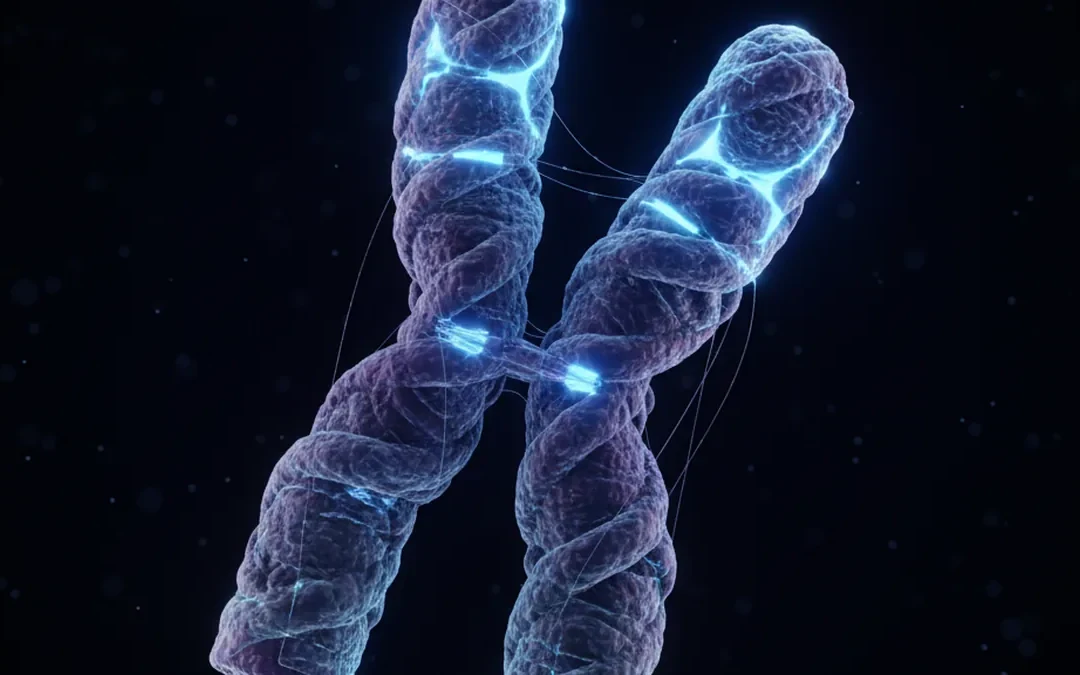
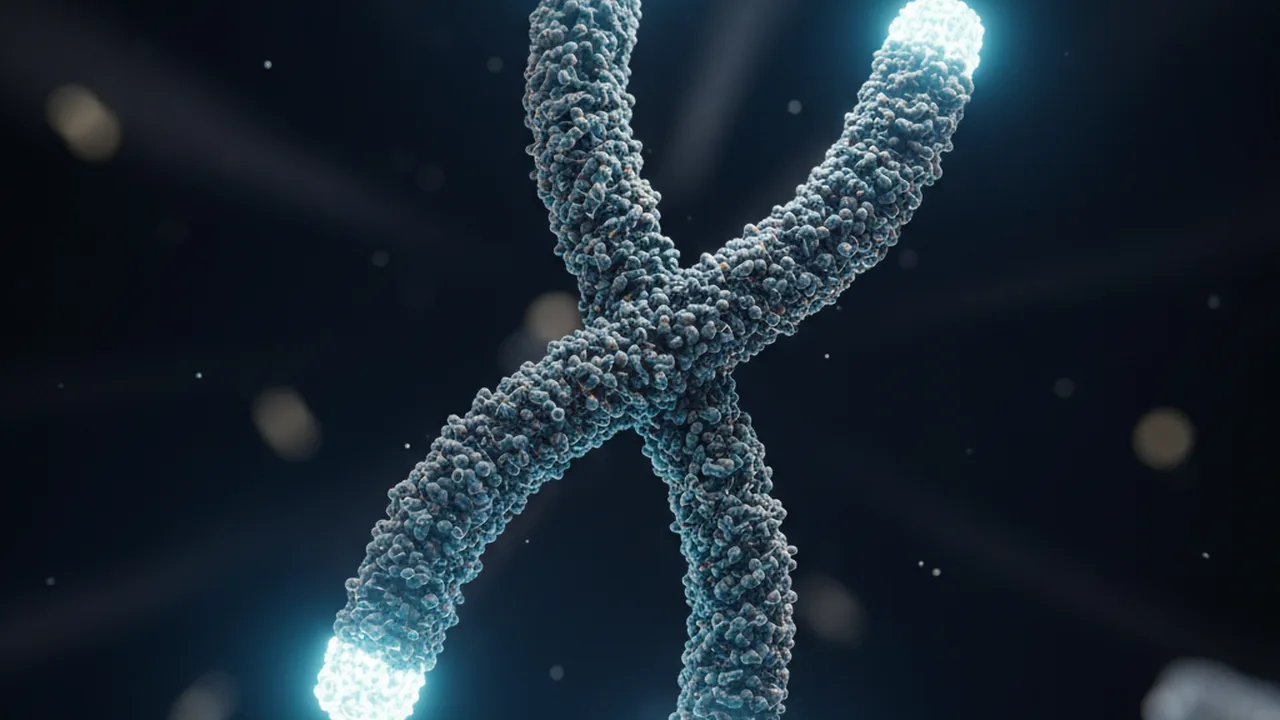
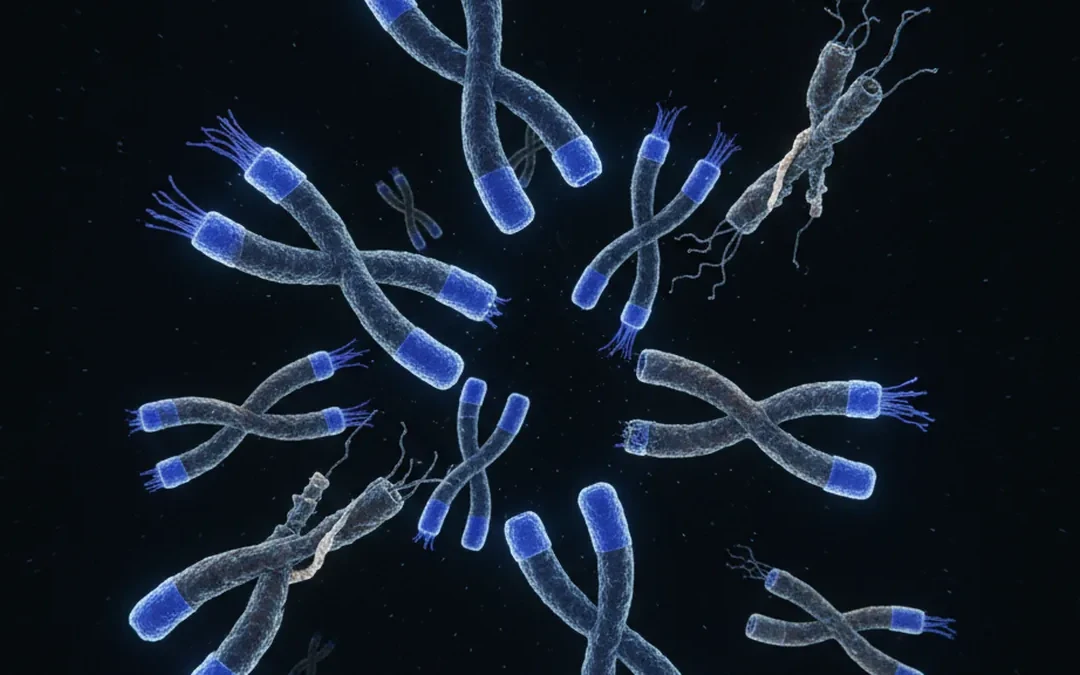
The glowing tips of a chromosome are its telomeres. They — not your genes — are what gets lost with every cell division.
Why the elaborate design? The molecular machines that copy DNA can't read a strand all the way to
the very end. Telomeres take the hit: it's the caps, not the actual genes, that shorten with each
round of copying.
How telomeres shorten
With every division, DNA polymerase fails to finish copying the "lagging" strand to the end, and
roughly 50–250 base pairs are lost. This is the "end-replication problem,"
first described by Alexey Olovnikov back in 1971.
hourglass_bottom
The Hayflick limit. Leonard Hayflick showed in 1961 that normal human cells
divide no more than 40–60 times before slipping into senescence
or triggering apoptosis. The reason is telomere shortening past a critical
threshold: the cell "recognizes" that its reserve of divisions is spent.
How telomere length changes across a lifetime
Newborn
~12–15 kb
20–30 years
~9–11 kb
40–50 years
~7–9 kb
60–70 years
~5–7 kb
Critical threshold
<4 kb
warning
Below the critical threshold, the cell stops dividing and enters senescence — and starts releasing inflammatory signals that speed up the aging of neighboring cells.
Senescent cells actively harm their surroundings (the SASP phenotype) — in effect "infecting" their
neighbors with aging. The enzyme telomerase can rebuild telomeres and add the
sequence back, but in most adult cells it's switched off — it stays active only in stem cells,
germ cells, and, unfortunately, in about 90% of cancer cells.
Telomere length as a biomarker of age
Leukocyte telomere length (LTL) — measured in white blood cells — is one of the most studied
biomarkers of biological age, and an ordinary blood draw is enough to assess it. That said,
telomeres shorten at different rates in different tissues. It's only one of the body's aging
"clocks" — compare it with
other biological age tests,
or ballpark your age without any lab work using the quick estimator.
Telomere length is largely set by your genes: heritability runs 36–82% according to twin studies.
Heritability
36–82%
the share of variation in telomere length explained by genetics (twin studies)
Key genes
6+
loci (TERT, TERC, OBFC1, CTC1, RTEL1, NAF1) tied to telomere length in a GWAS of 48,000 people
The link to disease turned out to be nonlinear and even paradoxical: short
telomeres are tied to one set of conditions, and long ones to another.
Roughly 20–64% of the rate of shortening comes down to non-genetic factors. In other words, your
lifestyle directly shapes the pace of cellular aging.
trending_down Speed up aging
local_fire_department
Oxidative stress
Free radicals attack guanine — the most vulnerable letter in TTAGGG — accelerating breakdown.
psychology
Chronic stress
High cortisol suppresses telomerase: caregivers of people with dementia have noticeably shorter telomeres.
smoking_rooms
Smoking
A meta-analysis of 84 studies: smokers have reliably shorter telomeres.
monitor_weight
Obesity
Fat tissue pumps out cytokines (IL-6, TNF-α) that suppress telomerase.
coronavirus
Chronic inflammation
An "inflammatory loop": the SASP of senescent cells speeds up aging in the cells around them.
trending_up Slow the shortening
directions_run
Physical activity
Moderate aerobic exercise raises telomerase activity and lowers oxidative stress.
restaurant
The Mediterranean diet
Omega-3s, antioxidants, and polyphenols are linked to longer telomeres.
bedtime
Quality sleep
7–9 hours of sleep correlate with longer telomeres; sleep deprivation raises inflammation.
self_improvement
Stress management
Mindfulness meditation (MBSR) is associated with a rise in telomerase activity.
smoke_free
Quitting smoking
Former smokers gradually recover part of the gap in telomere length.
There's also a telomere–mitochondria axis: critically short telomeres activate the
protein p53, which suppresses PGC-1α, the master regulator of mitochondrial biogenesis.
Mitochondria then work less efficiently and throw off more free radicals — which damage the
telomeres even more. The vicious circle closes.
What science knows about interventions
A caveat up front: most of the data are observational or from animal studies, and high-quality
randomized trials are still scarce. Even so, a handful of interventions have shown encouraging
results.
spa
TA-65 (cycloastragenol)
An astragalus extract that activates telomerase. In a double-blind RCT (117 people, 1 year), a low dose lengthened telomeres, and after a heart attack it lowered hs-CRP by 62%.
Has an RCT
set_meal
Omega-3 (EPA/DHA)
A cohort of 608 patients with coronary artery disease (5 years): higher EPA/DHA levels slowed telomere shortening by reducing inflammation.
Cohort
nutrition
Vitamin C and E
Among 7,094 participants, higher vitamin C intake was linked to longer telomeres; vitamin E showed a similar association in 586 women.
Observational
wine_bar
Resveratrol
This polyphenol activates SIRT1, a regulator of telomere length. In mice, 12 months of it reduced telomere breakdown and amyloid; in humans it improved metabolism.
Preclinical
grain
Spermidine
A natural polyamine from wheat germ. In aging mice it slowed telomere shortening and lowered inflammatory markers.
Preclinical
genetics
TERT gene therapy
Delivering the TERT gene to 1-year-old mice raised median lifespan by 24% with no rise in cancer. It hasn't been tested in humans.
Animal only
warning
A word of caution: activating telomerase is a double-edged sword. Around 85% of
cancers exploit telomerase reactivation to become "immortal." Taking activators without a proper
assessment of cancer risk is potentially dangerous.
The telomere paradox: cause or consequence
If long telomeres are a sign of youth, why are they tied to several cancers? And why do some
animals with rapid telomere loss live for decades? The answer: both extremes are dangerous.
Too short and too long are equally risky
Too shortOptimumToo long
Short
Aging risks
Cardiovascular disease, dementia, type 2 diabetes, pulmonary fibrosis, immune aging
Optimum
The healthy zone
A normal cell cycle, with protection against cancer through the senescence barrier
Long
Cancer risks
Glioma, melanoma, cancers of the lung, bladder, and kidney — 9 types by Mendelian randomization
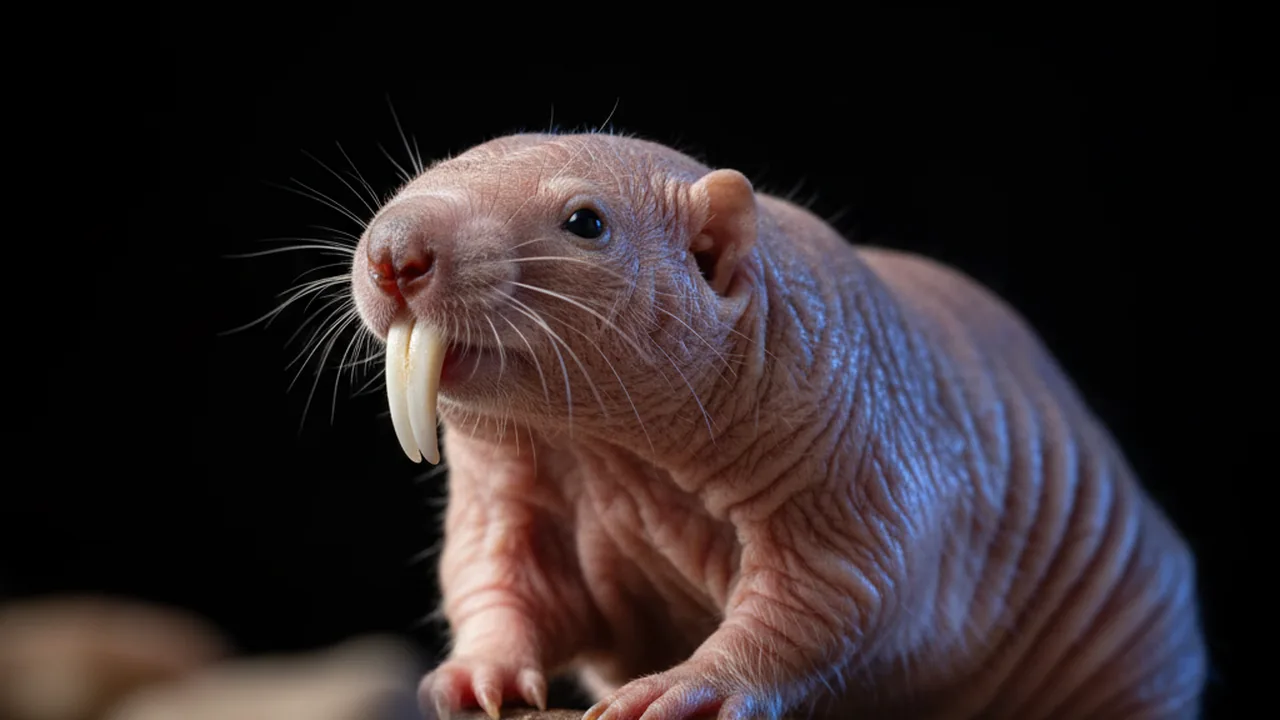
The naked mole-rat lives up to 31 years — 10 times longer than a mouse. Its telomeres don't shorten with age; they lengthen slightly.
In blind mole rats (another long-lived species, up to 20 years) telomeres shorten normally — yet
the animals still break longevity records. That points to the key takeaway.
lightbulb
Telomeres are both a thermometer and a thermostat. They reflect the pace of aging
and, at the same time, influence it. But they're not the only — or even the main — mechanism of
longevity; nature runs several parallel routes. The best biological age models combine telomere
length, epigenetic clocks (DNA methylation), and other markers — for example,
an epigenetic biological age from a blood panel (PhenoAge).
How telomere length is measured
There's no single "gold standard" — different methods measure different features and report results
in different units, which makes them hard to compare.
qPCR (PCR)
Measures the ratio of telomeric DNA to a single-copy gene (T/S). Fast and cheap, well suited to large populations, but less precise.
Most accessible
Southern blot (TRF)
The mean length of restriction fragments in kilobases. High precision, but labor-intensive and demanding a lot of DNA.
Most precise
Flow-FISH
Flow cytometry with fluorescent hybridization. Measures length in individual cell types and is used to diagnose telomeropathies.
Clinical diagnostics
stethoscope
When does the test make sense? With a family history of telomeropathies
(pulmonary fibrosis, aplastic anemia), suspected dyskeratosis congenita, or as part of a broader
biological age assessment alongside other markers. For a healthy person without symptoms, it's
still more of a research tool: biological variability is high, and the trend over time matters
more than any single measurement.
We use cookies to keep you signed in and to remember this choice. We do not run third-party advertising or analytics trackers.
Learn more about our privacy policy